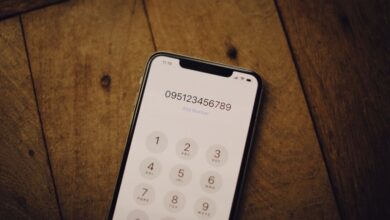
Spam reverse phone number lookup involves querying public records to identify unknown callers, but results can be incomplete or biased. The process requires reputable tools, careful cross-checking, and meticulous documentation to build a traceable trail. Red flags should be evaluated before engagement, and privacy considerations must guide tool selection. The topic invites a disciplined workflow that weighs limitations and evidence, yet practical steps must be clarified to avoid blind trust—a closer look reveals where signals may fall short.
What Is Spam Reverse Phone Lookup and Why It’s Hard
Spam reverse phone lookup refers to the process of identifying the owner or identifying details associated with a phone number by querying various databases and public records. The practice encounters data gaps, inconsistent records, and privacy controls, making results uncertain. Researchers note potential biases in datasets, the prevalence of spam scams, and reliance on caller metadata for context and risk assessment.
Spotting Red Flags Before Answering
A cautious approach helps when assessing incoming calls from numbers found via reverse lookup, as several indicators can flag potential risk before answering. The analysis emphasizes objective cues: inconsistent caller behavior, pressure tactics, unsolicited offers, and vague or evasive responses. Red flags emerge from timing, repetition, and mismatched metadata, guiding cautious engagement while preserving autonomy and minimizing disclosure in uncertain interactions.
How to Do a Safe, Effective Lookups (Tools and Best Practices)
To conduct safe, effective reverse lookups, practitioners should rely on reputable tools and adhere to a structured, evidence-based workflow that minimizes exposure to misinformation and impersonation. The approach emphasizes verification, source credibility, and documented steps. Acknowledge risks with a spam caller, and protect data privacy by limiting data sharing, recording findings, and cross-referencing results across independent databases for corroboration.


Protecting Yourself and Reporting Spam Calls
Protecting oneself from unwanted calls builds on the verification practices discussed previously by prioritizing practical safety measures and verified data. The approach emphasizes spam calls awareness, privacy protection, and documenting outcomes. Observing red flags, such as suspicious numbers or requests for sensitive data, supports safe lookup. Report threats promptly to trusted channels, preserving autonomy while reducing risk through cautious, evidence-based actions.
Conclusion
Conclusively, spam reverse phone lookup, when pursued with rigor, becomes a labyrinthine maze of data shards and conflicting signals, dazzling the investigator with improbable breadcrumbs while secretly guarding a fortress of privacy. With every query, caution compounds: verify sources, document steps, and cross-check across multiple databases to avoid mirages of certainty. The result, though imperfect, is a meticulously traced trace, a beacon through fog that helps identify real threats without surrendering personal data to whimsical analytics.