Snowmelt Installation has become an essential solution for property owners who want safe, accessible, and maintenance-free outdoor surfaces during winter. This advanced heating technology is designed to automatically melt snow and ice from driveways, walkways, ramps, stairs, and commercial entrances. Understanding the Snowmelt Installation process, knowing what to expect from professional contractors, and learning how to evaluate long-term value are critical steps before investing in this system.
Guide to snowmelt installation process, what to expect from professional contractors, selection criteria, maintenance requirements, and warranty considerations.
Partner with experienced professionals for snowmelt installation services.
Understanding Snowmelt Installation Systems
Snowmelt Installation involves embedding heating elements beneath concrete, asphalt, or pavers to prevent snow and ice accumulation. These systems use either hydronic tubing or electric heating cables to generate consistent heat that keeps surfaces clear even during severe winter conditions.


Unlike traditional snow removal methods, Snowmelt Installation works proactively. Instead of reacting after snow builds up, the system activates automatically through sensors that detect moisture and temperature changes. This ensures ice-free surfaces without the need for shoveling, plowing, or chemical deicers.
The Professional Snowmelt Installation Process
A professional Snowmelt Installation follows a structured and precise process to ensure performance, efficiency, and durability.
1. Site Evaluation and Design Planning
The process begins with a detailed site assessment. Contractors analyze surface area, slope, drainage, local climate, and usage patterns. Based on this evaluation, a customized Snowmelt Installation layout is designed to deliver uniform heat coverage.
2. System Selection
Professionals recommend the appropriate system type based on property size, energy source availability, and budget. Hydronic systems are often selected for large areas, while electric systems suit smaller residential projects.
3. Subsurface Preparation
Before installing heating elements, the surface is properly excavated and leveled. Insulation layers are often added beneath the system to improve efficiency and reduce heat loss.
4. Installation of Heating Components
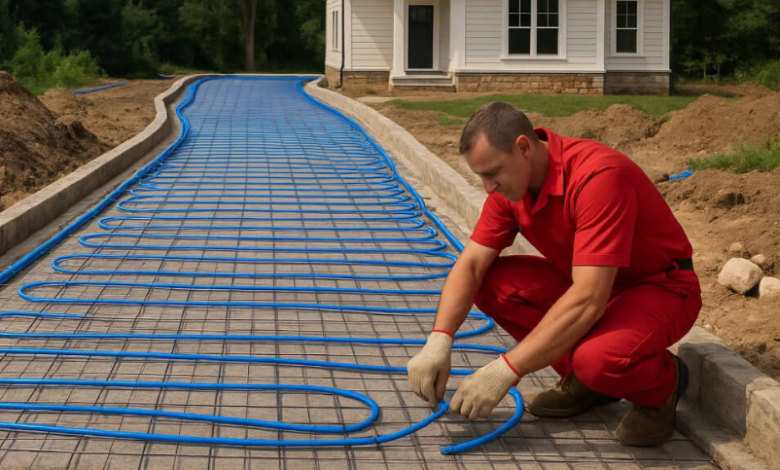
Heating cables or tubing are carefully arranged according to the engineered design. Precision during this stage is critical, as spacing and alignment directly impact performance.
5. Sensor Integration and Controls
Smart sensors and control panels are installed to automate the Snowmelt Installation system. These controls allow the system to activate only when necessary, optimizing energy usage.
6. Surface Restoration
Once the system is tested, concrete, asphalt, or pavers are poured or reinstalled. The final surface appears seamless, with the Snowmelt Installation hidden beneath.
See also: Why 4K Laser Projectors Are the Future of Home Cinema
What to Expect from Professional Contractors
Hiring a qualified contractor ensures that Snowmelt Installation meets safety standards and performs efficiently for decades. Professional contractors provide:
- Detailed project timelines and cost estimates
- Engineering-grade system design
- Compliance with local building codes
- Skilled installation teams
- System testing and commissioning
- Post-installation support
A reputable Snowmelt Installation contractor will also educate clients on system operation and seasonal usage.
How to Choose the Right Snowmelt Installation Contractor
Selecting the right contractor is as important as choosing the system itself.
Experience and Specialization
Choose professionals with proven expertise in Snowmelt Installation rather than general heating or paving services.
Design and Engineering Capabilities
A contractor should offer custom system designs tailored to your property’s layout and climate demands.
Transparent Pricing
Clear breakdowns of materials, labor, controls, and long-term operating costs indicate professionalism and trust.
Licensing and Certifications
Ensure the contractor meets all regulatory and safety requirements for Snowmelt Installation projects.
Service and Support
Reliable contractors provide ongoing support, system inspections, and troubleshooting services after installation.
Maintenance Requirements for Snowmelt Installation
One of the biggest advantages of Snowmelt Installation is its low maintenance needs. However, periodic checks are recommended to ensure optimal performance.
- Annual inspection of sensors and controls
- Monitoring system pressure in hydronic setups
- Verifying electrical connections in electric systems
- Keeping drainage paths clear
Proper maintenance extends system lifespan and maintains consistent snow-free performance.
Energy Efficiency and Operating Costs
Modern Snowmelt Installation systems are designed with efficiency in mind. Smart controls ensure the system operates only when snowfall or freezing conditions are present. While there is an upfront investment, operational savings from reduced labor, equipment, and material costs often balance expenses over time.
For commercial properties, Snowmelt Installation can significantly reduce liability risks and enhance customer safety, adding indirect financial benefits.
Warranty and Long-Term Value Considerations
Professional Snowmelt Installation typically includes manufacturer warranties on heating components and contractor warranties on workmanship. These warranties protect the investment and provide peace of mind.
Long-term value includes:
- Increased property appeal
- Reduced winter maintenance expenses
- Enhanced safety and accessibility
- Improved durability of outdoor surfaces
A properly installed Snowmelt Installation system can last for decades with minimal intervention.
Applications of Snowmelt Installation
Snowmelt Installation is suitable for a wide range of properties, including:
- Residential driveways and walkways
- Commercial entrances and sidewalks
- Parking ramps and loading docks
- Hospital and emergency access routes
- Luxury residential developments
Its adaptability makes Snowmelt Installation a premium feature for modern properties.
FAQs About Snowmelt Installation
What surfaces can support Snowmelt Installation?
Snowmelt Installation works under concrete, asphalt, stone, and paver surfaces.
Is Snowmelt Installation safe for the environment?
Yes, it reduces the need for chemical deicers that harm landscaping and groundwater.
How long does Snowmelt Installation take?
Installation timelines vary by project size but typically align with new construction or resurfacing schedules.
Can Snowmelt Installation be added to existing surfaces?
It is possible during major renovations or surface replacement projects.
Does Snowmelt Installation work automatically?
Yes, modern systems use sensors and controls for fully automated operation.
Conclusion
Snowmelt Installation is a long-term investment in safety, convenience, and property value. By understanding the installation process, selecting qualified professionals, and considering maintenance and warranty factors, property owners can ensure optimal performance for years to come. Whether for residential comfort or commercial reliability, Snowmelt Installation delivers consistent winter protection while eliminating the hassles of traditional snow removal.