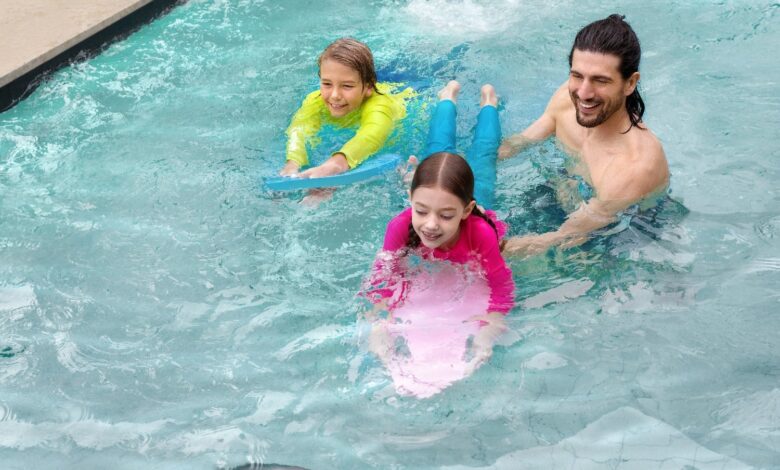
If you’re a dedicated swimmer, you know the frustration of trying to get a meaningful workout in a standard backyard pool. A few strokes and you’ve already hit the wall, turning endless flip turns into a tedious routine that breaks your rhythm and limits your training potential. For those with in-ground pools, swim jets offer a game-changing solution that transforms any pool into an endless swimming experience. By generating a powerful, adjustable current directly in your pool, swim jets let you swim continuously in place, building cardiovascular endurance and muscle strength without ever needing to turn around. The convenience of training at home, on your own schedule, eliminates the hassle of crowded lap pools and rigid facility hours. Whether you’re preparing for a triathlon or simply want a more effective daily workout, installing swim jets can elevate your pool from a casual lounging spot to a serious fitness tool. This guide walks you through everything you need to know about planning, installing, and maintaining swim jets in your in-ground pool, so you can start swimming stronger sooner.
What Are Swim Jets and Why You Need Them
Swim jets are specialized devices installed directly into your in-ground pool wall that generate a powerful, adjustable stream of water, creating a continuous current you can swim against. Unlike standard return jets that simply circulate water for filtration, swim jets produce a focused, high-volume flow strong enough to keep even competitive swimmers in place. They work by drawing water through a dedicated pump system and propelling it back into the pool through precisely engineered nozzles, creating a smooth, wide current that mimics open-water conditions.
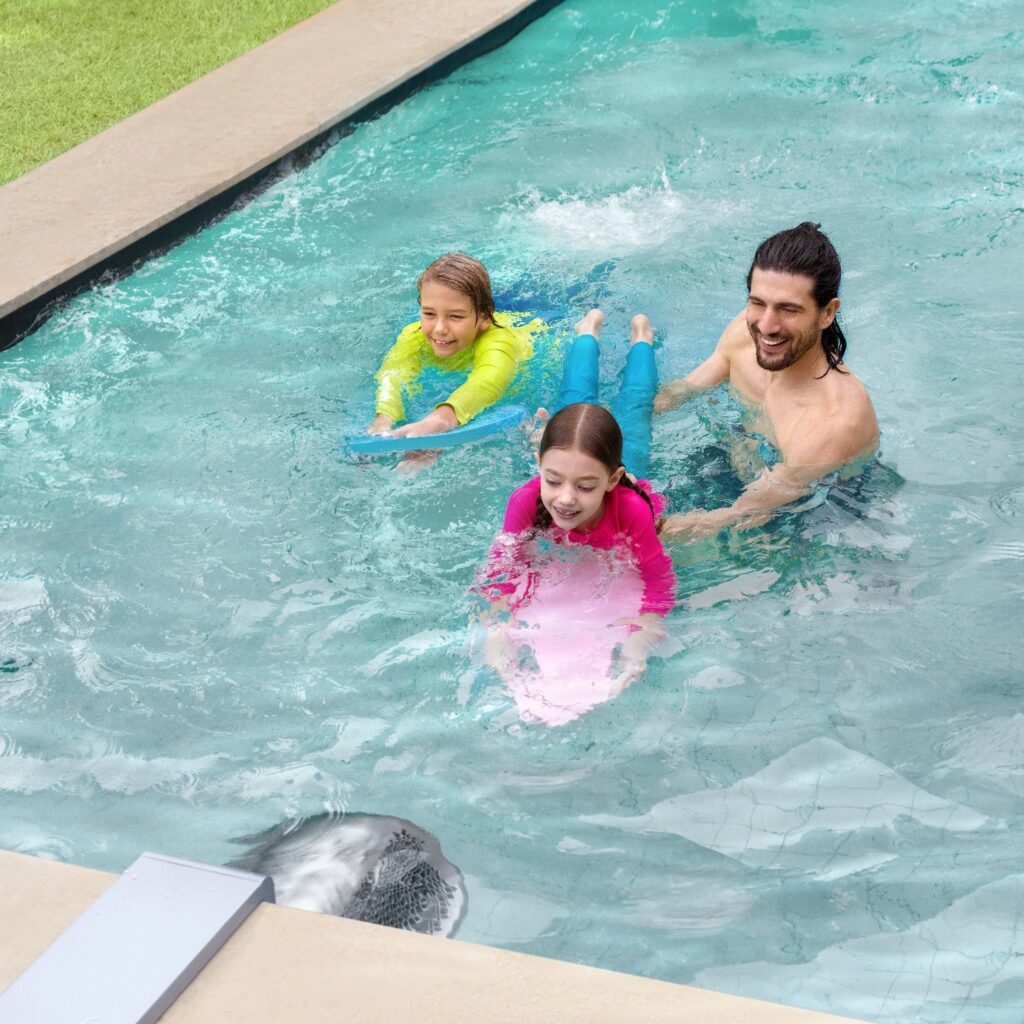
For regular swimmers, the benefits are substantial. A swim jet transforms a compact in-ground pool into an infinite lap lane, delivering consistent resistance that challenges your cardiovascular system and engages major muscle groups simultaneously. You can adjust the current intensity to match your fitness level, progressing from a gentle rehabilitation pace to a demanding sprint current as your conditioning improves. This simulates the unpredictability of open-water swimming, making it ideal preparation for triathlons or ocean swims. Beyond training, swim jets enable year-round workouts regardless of weather or facility availability, giving you complete control over your exercise schedule without leaving home.
See also: Explore Everest Base Camp Helicopter Tour: An Adventure of a Lifetime


Pre-Installation Planning for Your In-Ground Pool
Before purchasing any equipment, take time to evaluate whether your in-ground pool can accommodate swim jets. Start by measuring your pool dimensions—you’ll need at least 10 to 12 feet of unobstructed swimming length from the jet nozzle to the opposite end for a usable current lane. Examine your existing plumbing infrastructure to determine if your current pipes can handle the additional water volume or if new dedicated lines are required. Check your electrical panel for available capacity, since most swim jet pumps require a dedicated 220-volt circuit with adequate amperage.
Contact your local building department to inquire about permits for pool modifications, as many municipalities require electrical and plumbing inspections for this type of work. Budget planning should account for the jet unit itself, a dedicated high-flow pump, PVC piping, waterproof sealants, concrete patching materials, and potentially a licensed electrician’s labor. Essential tools include a core drill or concrete saw for cutting into the pool shell, PVC cement and fittings, silicone-based pool sealant, and a multimeter for electrical verification. If you’re uncomfortable working with high-voltage wiring or cutting into your pool’s structural shell, hire a qualified pool contractor—improper installation risks leaks, electrical hazards, and voided warranties that far exceed the cost of professional help.
Step-by-Step Guide to Installing Swim Jets
Step 1: Selecting the Optimal Jet Location
Position your swim jet on the shorter wall of your pool, centered horizontally to create a symmetrical current lane. The nozzle should sit approximately 12 to 18 inches below the waterline, aligning with your chest or shoulder height during swimming. Avoid placing jets near steps, ladders, or curved sections where turbulence will disrupt the current flow. Consider how the returning water will circulate—placing the jet opposite a gradual slope or flat wall helps maintain a laminar, even stream across the full swimming width.
Step 2: Preparing the Pool and Plumbing
Drain your pool water level below the planned jet location, giving yourself at least six inches of dry working space around the installation point. Mark the exact cutout dimensions on the pool wall using the manufacturer’s template, then use a core drill fitted with a diamond-tipped bit to bore through the concrete or gunite shell. Work slowly to avoid cracking the surrounding structure. Once the opening is complete, smooth any rough edges with a masonry file. Run dedicated PVC supply and return lines from the jet location back to where your pump equipment will sit, using sweep elbows rather than sharp 90-degree fittings to minimize flow restriction. Dry-fit all pipe connections first to verify alignment before committing to permanent PVC cement bonds.
Step 3: Mounting and Securing the Swim Jet Unit
Insert the jet housing into the prepared opening from the pool interior, ensuring the flange sits flush against the wall surface. From the backside, attach the mounting bracket and tighten the compression ring or bolts evenly to avoid warping the housing. Apply a generous bead of pool-rated silicone sealant around the entire perimeter where the jet meets the pool shell, both inside and outside. Allow the sealant to cure for the manufacturer’s recommended time—typically 24 to 48 hours—before exposing it to water pressure. Connect the PVC plumbing lines to the jet’s intake and output ports using threaded fittings wrapped with Teflon tape, then cement any slip connections. Finally, integrate the jet’s control valve into your pool’s equipment pad so you can adjust flow without entering the water.
Step 4: Electrical Connections and Testing
Have a licensed electrician wire the dedicated pump to a 220-volt GFCI-protected circuit, ensuring all connections meet local electrical codes. Once wiring is complete, refill the pool above the jet opening, prime the pump by opening all air bleeds, and power on the system at its lowest setting. Check every plumbing joint and the wall seal for leaks, then gradually increase flow to full power while verifying the current remains smooth and centered in your swim lane.
Ensuring Easy Setup and Long-Term Maintenance
A smooth installation doesn’t end once the jets are mounted and running. After your initial test, spend time calibrating the jet speed to find your ideal training intensity. Start at a lower flow rate and swim against the current for several minutes, noting whether the stream holds you in a consistent position or pushes you backward. Adjust incrementally until you find a setting that challenges your stroke without overwhelming it. If you notice uneven flow or excessive turbulence, check for air trapped in the plumbing lines—opening bleed valves or briefly cycling the pump off and on usually resolves this. Low flow issues often trace back to a clogged intake strainer or debris lodged in the impeller, both of which require shutting down the pump and clearing the obstruction manually.
For long-term reliability, establish a maintenance routine that keeps your swim jet performing at its best. Inspect the wall seal and flange every three months for signs of deterioration or calcium buildup, reapplying pool-rated silicone if you spot any gaps. Clean the jet nozzle monthly to prevent mineral deposits from narrowing the output and disrupting current quality. Check the dedicated pump’s filter basket weekly during heavy use periods, and lubricate any O-rings annually with silicone grease to prevent dry rot. Many homeowners who manage their pool equipment through smart home platforms like iGarden find it helpful to set automated maintenance reminders and monitor pump performance remotely. Proper ongoing care not only extends the lifespan of your equipment but ensures the current remains powerful and consistent season after season, protecting your investment and keeping your workouts uninterrupted.
Exploring Portable Swimming Solutions as Alternatives
While permanently installed swim jets are the gold standard for in-ground pool owners, they aren’t the only path to current-based training. Portable swimming solutions offer a different approach, using self-contained units that mount temporarily to a pool’s edge or sit on the deck, directing a current into the water without requiring any permanent modifications to the pool shell. These systems typically combine a pump, nozzle, and mounting bracket into a single package that can be set up in under an hour and removed just as quickly.
The trade-offs between permanent and portable options come down to performance versus flexibility. Installed swim jets deliver a wider, more powerful current with smoother laminar flow because they’re engineered directly into the pool’s structure and connected to high-capacity dedicated pumps. Portable units, while convenient, generally produce a narrower stream with more surface turbulence, which can make maintaining proper body position more difficult during intense training. However, portable systems shine in situations where permanent installation isn’t practical. Renters who can’t modify their landlord’s pool, seasonal residents who only swim a few months per year, or homeowners testing whether current-based training suits their routine before committing to a full installation all benefit from the portability factor. They also work well for above-ground pools where cutting into the wall structure isn’t feasible. If your goal is serious, year-round swim training and you own your in-ground pool, a permanent jet installation remains the superior investment for current quality and long-term value.
Transform Your Pool Into an Endless Swimming Lane
Installing swim jets in your in-ground pool is one of the most impactful upgrades you can make as a dedicated swimmer. The ability to train continuously against an adjustable current eliminates the limitations of a standard backyard pool and brings serious workout potential right to your doorstep. As this guide has outlined, success starts with thorough pre-installation planning—evaluating your pool’s dimensions, plumbing capacity, and electrical infrastructure before committing to any cuts or purchases. The installation itself demands precision, from selecting the optimal jet placement and drilling cleanly through your pool shell to ensuring watertight seals and proper electrical connections. Taking shortcuts during any of these steps risks costly leaks or safety hazards down the road.
Once your system is running, consistent maintenance keeps the current strong and your equipment reliable for years to come. Regular inspections of seals, nozzles, and pump components prevent small issues from becoming expensive repairs. Whether you choose a permanent in-ground installation or start with a portable solution to test the waters, current-based swimming delivers a workout experience that no amount of flip turns can match. Take the time to assess your pool this week, consult with a qualified contractor if needed, and start planning your installation. Your next breakthrough in fitness and swimming performance is waiting just outside your back door.