Online weight-loss treatment has become increasingly common, giving patients more options for accessing medical support from home. Telehealth services can simplify health assessments, communication with healthcare professionals, and access to prescription treatment.
However, choosing an online healthcare provider requires careful consideration. Patients may want to know who evaluates their health information, who makes prescribing decisions, where medications are dispensed, how much treatment costs, and what kind of support is available after treatment begins.
When considering RoenRx legitimacy, patients should look beyond advertisements and focus on how the service handles medical evaluations, prescriptions, pharmacy fulfillment, and ongoing care.
How RoenRx Works
RoenRx uses a telehealth model in which patients provide health information through an online intake process. This information may include medical history, current medications, previous weight-management efforts, health goals, and other relevant details.


A healthcare professional evaluates the submitted information to determine whether a particular treatment may be medically appropriate. Completing an online questionnaire does not automatically guarantee that a prescription will be issued.
Depending on the patient’s circumstances, the provider may recommend treatment, request additional information, or determine that prescription medication is not suitable.
This provider-led process is an important factor when evaluating online healthcare. Medical decisions should come from qualified healthcare professionals rather than being based solely on an automated questionnaire.
Are Licensed Healthcare Professionals Involved?
One of the first questions patients may have is who provides the actual medical care.
RoenRx states that its clinical care involves U.S.-licensed healthcare professionals. The treating provider evaluates the patient’s circumstances and determines whether prescription treatment is appropriate.
Patients can take an additional step by verifying the credentials of the professional involved in their care. Depending on the provider’s role, useful information may include their name, professional designation, state license, and relevant professional credentials.
State licensing boards can generally help confirm professional credentials.
Patients should also understand the difference between healthcare coaching and medical care. A coach may provide support with nutrition, exercise, or lifestyle habits, while a licensed prescribing professional is responsible for medical decisions.
Where Does the Medication Come From?
The source of prescription medication is another important consideration. Telehealth companies may work with pharmacy partners to fulfill prescriptions rather than manufacturing or directly dispensing every medication themselves.
The pharmacy involved can depend on the medication, patient location, availability, and applicable requirements.
When a prescription arrives, patients should carefully examine the label and packaging. Important information can include the patient’s name, medication name, concentration, dosage instructions, prescribing professional, storage requirements, and dispensing pharmacy.
If packaging appears damaged or the label is unclear, patients should contact the pharmacy or healthcare provider before using the medication.
Understanding Compounded GLP-1 Medications
GLP-1 medications have become an important part of medical weight management. Patients should understand the difference between FDA-approved medications and compounded preparations before starting treatment.
Compounded semaglutide and tirzepatide are not FDA-approved finished drug products. They do not undergo the same FDA premarket review for safety, effectiveness, and quality as approved medications.
This does not mean that every compounded prescription should automatically be considered unsafe. However, patients should know exactly what they have been prescribed and follow the specific instructions provided by their healthcare professional and pharmacy.
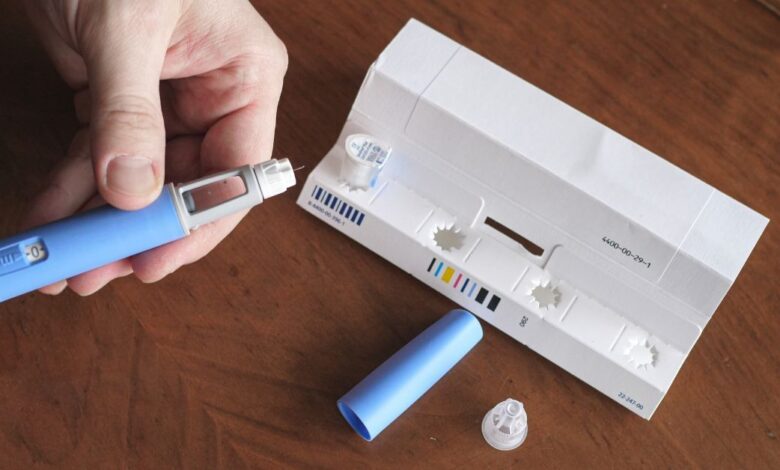
For injectable compounded medication, patients should pay close attention to the concentration, prescribed dose, injection instructions, storage requirements, and dosing frequency. Instructions for one concentration should never be assumed to apply to another.
The FDA issued a warning letter to Roen Health, Inc., doing business as RoenRx, in June 2026 concerning representations related to compounded semaglutide products. The agency stated that compounded semaglutide products are not FDA-approved. This makes it particularly important for patients to understand the type of medication they are receiving.
What Should Patients Check Before Signing Up?
Before enrolling with an online weight-loss provider, patients can ask several practical questions.
- Who will evaluate my medical information?
- Is the treating healthcare professional licensed in my state?
- Which pharmacy will dispense my medication?
- Is the medication FDA-approved or compounded?
- What does the initial payment cover?
- Are medication costs separate from membership fees?
- Does the membership automatically renew?
- How can I contact a healthcare professional if I experience side effects?
- What are the cancellation and refund policies?
Getting clear answers to these questions can help patients understand the service before making a medical or financial commitment.
Understanding the Total Cost
Price is another important part of evaluating online weight-loss care. An advertised membership fee may not always represent the complete cost of treatment.
Depending on the program, patients may have separate expenses for medication, consultations, shipping, refills, or other services.
Before signing up, patients should determine whether an advertised price is an introductory offer or the regular recurring cost. They should also confirm whether medication is included or billed separately.
Understanding the expected total cost makes it easier to compare online providers and plan for ongoing treatment expenses.
What About Follow-Up Care?
Weight-management treatment may involve ongoing communication with healthcare professionals rather than a single prescription. Patients can have questions about dosage, side effects, treatment progress, or whether their current plan remains appropriate.
For this reason, patients should understand how follow-up care works before enrollment. They should know how to contact their care team, how prescription renewals are handled, and what happens if they require additional medical guidance.
A clear follow-up process can make it easier for patients to address concerns and stay informed throughout treatment.
See also: How Software Fitpukweb Is Reshaping the Business Landscape
Final Thoughts
So, is RoenRx legitimate? Patients should evaluate the service based on its healthcare structure rather than relying only on advertisements or individual experiences.
Understanding who provides the medical evaluation, verifying professional credentials, identifying the dispensing pharmacy, checking whether medication is compounded or FDA-approved, and reviewing billing terms can help patients make more informed decisions.
Online weight-loss care can offer convenience, but convenience should be combined with appropriate medical oversight. Anyone considering prescription treatment should discuss their individual circumstances with a qualified healthcare professional and carefully follow the instructions provided for their specific medication.