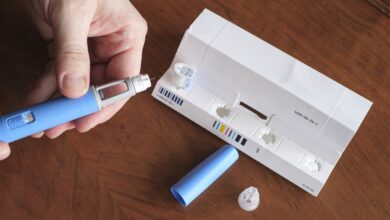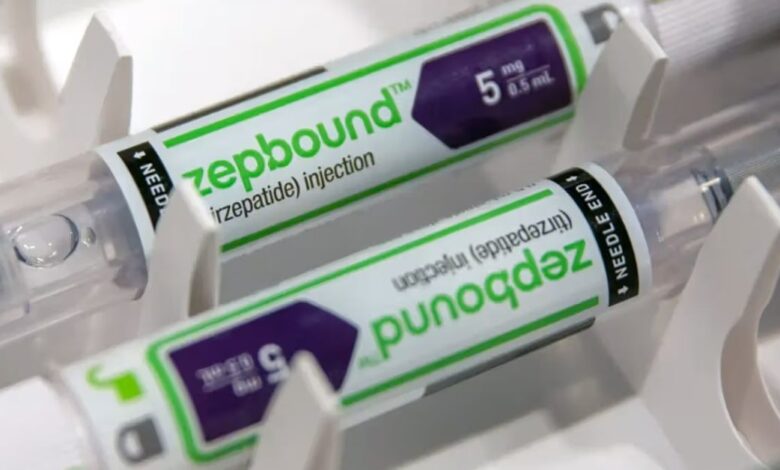
Zepbound is a prescription medication containing tirzepatide that is used with a reduced-calorie diet and increased physical activity for chronic weight management in eligible adults. It works by activating GIP and GLP-1 receptors, which can influence appetite, food intake, and feelings of fullness. For people considering prescription treatment, understanding how Zepbound works, what results may look like, and what safety considerations apply can help them make informed decisions with a healthcare provider.
Starting Zepbound is not simply about taking an injection and waiting for weight loss. Treatment involves medical evaluation, appropriate dosing, nutrition, physical activity, and ongoing monitoring. Individual responses can vary, so having realistic expectations is important. Zealthy provides online medical weight management for eligible patients, combining provider-guided prescription care with coaching, nutrition and fitness support, and progress tracking.
Zepbound Requires a Prescription
Zepbound is a prescription medication, which means a licensed healthcare provider should determine whether it is appropriate for you. Before treatment begins, your provider may review your weight, medical history, existing health conditions, medications, allergies, and previous weight management efforts.
This evaluation is important because prescription weight loss medications are not suitable for everyone. Your healthcare provider can consider your overall health and determine whether Zepbound is an appropriate option.


An online medical weight management program can make this evaluation more convenient by allowing eligible patients to complete a health assessment remotely and communicate with a licensed provider.
How Zepbound Works
Zepbound contains tirzepatide, which activates both GIP and GLP-1 receptors. These hormones are involved in regulating appetite, food intake, and other metabolic processes.
By influencing these pathways, Zepbound can help reduce appetite and calorie intake for eligible patients. Many people may find that they feel fuller after eating smaller amounts of food, which can make following a reduced-calorie eating pattern easier.
The medication is not intended to replace healthy eating or physical activity. It is used as part of a broader weight management approach.
The way someone responds to Zepbound can vary. Some people may notice appetite changes relatively early, while weight loss generally develops over a longer period.
Treatment Usually Starts With a Lower Dose
Zepbound treatment generally begins with a lower dose before moving toward a maintenance dose. The starting dose is 2.5 mg once weekly for four weeks. This starting dose is intended for treatment initiation rather than long-term maintenance.
After the initial period, the dose may be increased based on individual response and tolerability. Available maintenance doses include 5 mg, 10 mg, and 15 mg once weekly, with dose adjustments made under the direction of a healthcare provider.
Starting at a lower dose allows the body to adjust to treatment. Patients should not increase the dose on their own because taking more medication does not necessarily mean faster or better weight loss and may increase side effects.
Weight Loss Takes Time
One of the most important things to understand before starting Zepbound is that results can take time. The medication does not necessarily cause dramatic weight loss immediately after the first injection.
Clinical trials evaluated Zepbound over extended treatment periods. In a major study of adults with obesity or overweight without diabetes, participants receiving 15 mg experienced an average body-weight reduction of approximately 20.9% after 72 weeks when combined with lifestyle intervention.
These figures represent averages from clinical research and should not be treated as a guarantee. Individual results can be higher or lower depending on several factors, including starting weight, dosage, treatment duration, nutrition, physical activity, health conditions, and individual response.
A gradual rate of weight loss can still represent meaningful progress.
Appetite Changes May Happen Before Major Weight Changes
Because Zepbound influences appetite pathways, some patients may notice changes in hunger before seeing substantial changes on the scale.
You may find that you feel satisfied with smaller portions or that frequent snacking becomes easier to manage. These changes can help reduce overall calorie intake and support gradual weight loss.
However, Zepbound does not completely remove hunger, and the degree of appetite reduction differs between individuals. You still need adequate food and nutrients during treatment.
If your appetite becomes extremely low or you have difficulty maintaining adequate nutrition or hydration, discuss the issue with your healthcare provider.
Nutrition Still Matters
Zepbound works alongside a reduced-calorie diet, so nutrition remains an important part of treatment. Lower appetite may make it easier to reduce food intake, but the quality of the food you consume still matters.
A balanced eating pattern can include lean sources of protein, vegetables, fruits, whole grains, legumes, healthy fats, and other nutrient-dense foods. Adequate protein can also be useful during weight loss because maintaining muscle strength is an important consideration.
You do not need to rely on extreme diets to support treatment. Sustainable eating habits are generally easier to maintain over the long term.
Zealthy includes nutrition support within its online weight management services for eligible patients, helping individuals work on practical eating habits while receiving provider-guided prescription treatment.
Physical Activity Remains Important
Zepbound is intended to be used with increased physical activity. Regular movement can complement the effects of medication and support overall health.
Activities such as walking, cycling, swimming, and other forms of aerobic exercise can help improve cardiovascular fitness. Resistance training can also support muscle strength and function during weight loss.
The right amount of activity depends on your current fitness level and health. If you have been inactive, starting gradually may be more practical than immediately following an intense workout routine. Consistency is often more useful than trying to exercise at a level that is difficult to maintain.
Important Health Information to Discuss With Your Provider
Your healthcare provider should know about your medical history before you begin Zepbound. Certain health conditions can affect whether the medication is appropriate.
You should also provide information about all prescription medications, over-the-counter medicines, vitamins, and supplements you use. This helps your provider evaluate potential interactions and other safety considerations.
Zepbound should not be used with other tirzepatide-containing products or GLP-1 receptor agonists. Your provider should also know if you have experienced serious reactions to tirzepatide or any of the medication’s ingredients.
Providing complete and accurate health information helps your provider make a more informed treatment decision.
Follow Your Prescribed Schedule
Zepbound is generally administered once weekly. Following the prescribed schedule is important for using the medication correctly.
Patients should follow the instructions provided by their healthcare professional and medication information. If you miss a dose or are unsure about when to take your next dose, contact your healthcare provider or follow the official missed-dose instructions rather than taking extra medication.
Do not change the dosage or injection schedule because you believe doing so will accelerate weight loss.
Consistent use combined with regular medical follow-up can help your provider evaluate how well the treatment is working.
Weight Loss Can Slow Down
It is normal for weight loss to change pace during treatment. Some people experience more noticeable progress during one period and slower progress during another.
As body weight decreases, the body generally requires fewer calories to maintain its new weight. This can affect the rate at which additional weight is lost.
A temporary plateau does not automatically mean that Zepbound has stopped working. Your healthcare provider can review your weight trend, appetite, nutrition, physical activity, medication use, and overall health before deciding whether a change is necessary.
Avoid responding to a plateau by drastically restricting calories or increasing your medication without medical advice.
Long-Term Treatment May Be Necessary
Weight management is often a long-term process. Zepbound may be used over an extended period when it continues to provide benefits and remains medically appropriate.
Research has shown that continuing tirzepatide treatment can support ongoing weight reduction and weight maintenance. Studies have also demonstrated that some weight regain can occur after treatment is stopped.
This is why it is useful to think about Zepbound as part of a long-term weight management plan rather than a temporary solution.
The appropriate treatment duration differs from person to person. Your healthcare provider can evaluate your progress, side effects, health status, and goals when deciding whether treatment should continue.
Results Differ From Person to Person
There is no single amount of weight that everyone will lose with Zepbound. Clinical studies provide average results, but individual outcomes can differ.
Starting weight, dosage, treatment duration, eating habits, physical activity, health conditions, genetics, medication consistency, and individual biological response can all influence results.
Comparing your progress directly with someone else’s can therefore create unrealistic expectations.
A better approach is to monitor your own progress over time and discuss your results with your healthcare provider.
Regular Medical Follow-Up Is Important
Medical supervision does not end after the first prescription. Follow-up can help your provider determine whether the treatment continues to be effective and well tolerated.
During follow-up, you may discuss changes in weight, appetite, side effects, eating habits, physical activity, and other health concerns. Your provider can use this information to determine whether the current treatment remains appropriate.
Regular monitoring can also help identify problems before they become more serious.
If you experience significant side effects or changes in your health, contact your healthcare provider rather than making medication changes independently.
How Zealthy Can Support Zepbound Treatment
Zealthy offers online medical weight management for eligible patients who are considering prescription treatment. The process can begin with an online health assessment, allowing a licensed healthcare provider to review relevant information about your health and weight management goals.
If Zepbound is medically appropriate, the provider can recommend treatment and provide guidance throughout the process. Patients can discuss appetite changes, side effects, weight progress, and other treatment questions with their care team.
Zealthy also combines prescription care with coaching, nutrition and fitness support, and progress tracking. This provides support beyond medication and can help patients focus on sustainable weight management habits.
Having access to ongoing guidance can be especially useful when treatment progresses, weight loss slows, or questions about medication arise.
What to Prepare Before Starting
Before beginning Zepbound, gather information about your current medications, health conditions, allergies, previous weight management treatments, and any relevant medical history. Being prepared can make your initial medical assessment more useful.
It can also help to think about your weight management goals. Instead of focusing only on a specific number on the scale, consider goals related to healthier eating, physical activity, mobility, and overall well-being.
Understanding the medication schedule and potential side effects beforehand can also help you recognize when professional guidance may be needed.
Most importantly, make sure your treatment plan comes from a qualified healthcare provider who can evaluate whether Zepbound is appropriate for you.
See also: Health Content Exploration Hub Start Timeshealthmag.Com Blog Revealing Wellness Article Searches
Final Thoughts
Before starting Zepbound, it is important to understand that it is a prescription medication that should be used under appropriate medical supervision. Tirzepatide works through GIP and GLP-1 pathways to influence appetite and food intake, and clinical research has demonstrated significant average weight loss when the medication is used with lifestyle changes.
Results can vary considerably, and weight loss generally develops over time rather than immediately. Nutrition, physical activity, medication consistency, and long-term habits all remain important parts of treatment.
Patients should also understand potential side effects and discuss their complete medical history and current medications with a healthcare provider. Regular follow-up allows treatment to be monitored and adjusted when necessary.
Zealthy provides online medical weight management for eligible patients, combining provider-guided prescription care with coaching, nutrition and fitness support, and progress tracking. This can provide ongoing support while patients work toward sustainable weight management.