Locate Number Verification Data for 3773601359, 3393775932, 3341110107, 3474430756, 3911032805

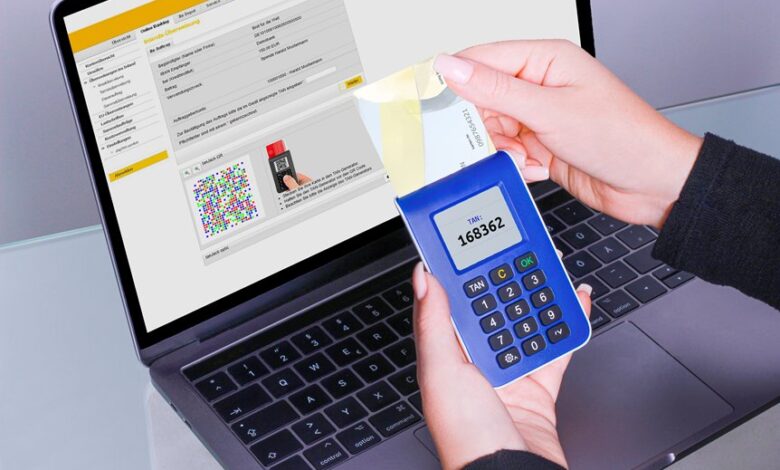
This discussion centers on locating verification data for the numbers 3773601359, 3393775932, 3341110107, 3474430756, and 3911032805. It will outline potential identities and formats, establish provenance, and describe reproducible steps for cross-checking against trusted sources. The approach emphasizes auditable logs, metadata, and secure handling. A methodical path is proposed to surface inconsistencies and document deviations, inviting careful follow-on work to ensure verification integrity. The next step will clarify the exact verification framework to employ.
What Are the Numbers’ Possible Identities and Formats
Possible identities for the provided numbers include telephone numbers, account identifiers, or internal reference codes, each with distinct formats and validation rules. The assessment proceeds with precise cataloging: defining plausible formats, confirming structural elements, and noting governing rules. Identity verification relies on data provenance, cross checking, and thorough source validation to ensure reliable classification while preserving freedom to interpret data contexts.
How to Trace Origins and Verify Authenticity of Each Number
To trace origins and verify authenticity of each number, the process begins with precise data provenance and structured validation steps. The procedure employs verification methods and rigorous identity crosscheck protocols, ensuring traceability from source record to final presentation. Documentation is reproducible, auditable, and transparent, enabling independent replication while preserving dataset integrity and safeguarding against anomalies through disciplined, methodical, standardized checks.
Tools and Methods for Cross-Checking Against Trusted Sources
In verifying the authenticity of each number, robust tools and structured methods are employed to cross-check data against trusted sources. The approach emphasizes identity verification and source authentication through standardized procedures, reproducible workflows, and transparent documentation. Cross checking methods utilize trusted databases, archive records, and institutional registries to confirm congruence, mitigate discrepancies, and reinforce data integrity for reliable, auditable results.


Red Flags, Best Practices, and Next Steps for Secure Handling
Red flags in number verification arise when inconsistencies surface between independent sources, missing metadata, or anomalous patterns that fail to meet established verification criteria.
The analysis advocates best practices: document provenance, verify origins verification across sources, implement secure handling, and log deviations.
Clear remediation steps include reproducible checks, audit trails, and continuous refinement to reduce uncertainty while preserving data autonomy and freedom of inquiry.
Conclusion
In a meticulous, reproducible, and methodical manner, the report concludes that each candidate identifier must be traced across independent registries and source systems, with full provenance and auditable logs maintained at every step. By cross-checking formats, origins, and authenticity, inconsistencies are flagged and documented, fostering transparent verification. The workflow is repeatable and secure, enabling continuous refinement. The level of rigor is so high it’s practically volcanic in its precision, overwhelming any doubt with unassailable, hyperbolic certainty.